“Good lighting not just illuminates – It communicates”
Imagine lights that turn on when you enter a room, dim when you’re deep in concentration, or shift tones to support your natural sleep-wake rhythm. This isn’t the future—this is now.
Smart lighting control systems are redefining how we interact with architecture. From office towers to hospitals, from retail shops to public squares, lighting is no longer a passive element—it listens, learns, and responds.
“Lighting has the power to shape behavior, not just space“
What Are Smart Lighting Control Systems?
Smart lighting control systems combine sensors, software, and connectivity to adapt lighting dynamically. The core technologies include:
- Motion sensors: Trigger light based on presence
- Ambient light sensors: Adjust intensity in response to daylight
- Timers & schedulers: Automate changes throughout the day
- IoT & voice integrations: Enable control via mobile apps or building management systems
These tools make lighting part of a larger intelligent building ecosystem, offering real-time responsiveness that benefits both people and the planet.
Why Smart Lighting Improves Workplaces
In commercial and office settings, smart lighting control systems deliver measurable gains in:
- Energy efficiency: Lights switch off when not needed
- Visual comfort: Tunable brightness and color temperature
- Productivity: Lights adapt to tasks and circadian cycles
- Space optimization: Data-driven occupancy insights
Psychological studies show that exposure to dynamic lighting—especially warm, indirect light in the morning and cooler tones in the afternoon—enhances focus, mood, and overall job satisfaction.

Spaces That Adapt in Real Time
Smart lighting control systems are especially powerful in retail, healthcare, and public infrastructure. Examples include:
- Retail Stores: Lights intensify near product displays during peak hours, subtly dimming during off-hours to reduce energy use.
- Hospitals & Schools: Lights brighten hallways during class or visitor hours, then soften to promote calm at night.
- Smart Cities: Urban plazas automatically brighten for safety during events or high foot traffic, and dim during quiet hours.
💡 Fun Fact: A 2022 report by the International Energy Agency showed that buildings with smart lighting reduced energy consumption by 30–50%, often paying back their investment within 3 years.
Automation That Pays Off
Let’s look at the big-picture benefits of these systems:
💶 Up to 50% lower energy costs
🔧 Reduced maintenance through less wear and tear
😊 Enhanced user satisfaction via custom lighting environments
🌍 Lower carbon footprint, aligning with ESG and green building goals
When connected to DALI, KNX, or LON protocols, these systems integrate with HVAC, shading, and security—offering a seamless building intelligence layer. Explore DALI.org to learn how open protocols support scalable control.
Real-World Example: Lights That Know What You Need
Picture this modern office:
🖥️ Conference rooms: Auto-dimming during presentations or video calls
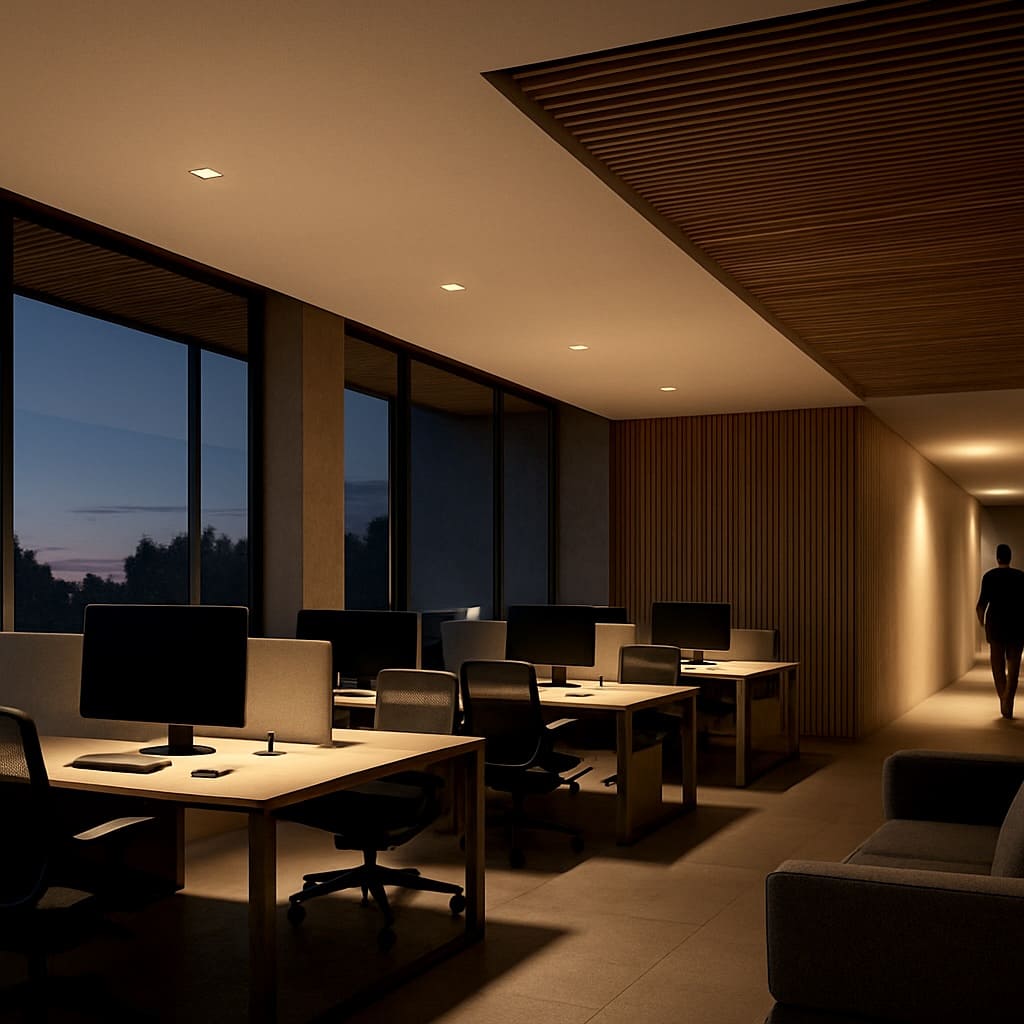
💼 Open-plan areas: Lighting boosts during work hours, then softens post-6 PM
🚶 Corridors: Light only when someone walks by, saving power and preserving ambience
These are not expensive luxuries. They’re smart decisions that elevate architecture—making it responsive, adaptive, and human-friendly.
For more inspiration, see Dezeen’s Smart Interiors Archive.
“You don’t just save energy—you extend the lifespan of every fixture“
Final Thoughts: Make Your Architecture Responsive
Smart lighting control systems are no longer optional—they’re the backbone of modern design. They respond to people, time, and purpose, helping designers, developers, and facility managers:
- Create dynamic experiences
- Lower operational costs
- Align with green building certifications like BREEAM and LEED
- Design with empathy
Whether you’re developing a boutique retail space or a corporate campus, lighting that listens is lighting that leads.
www.kaash.eu